


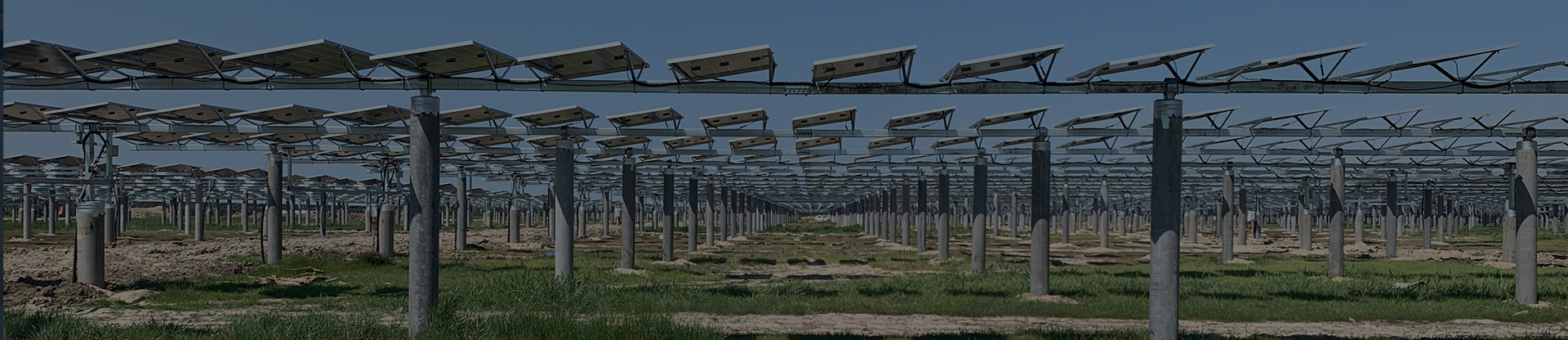
In the revenue equation of any PV power plant, electricity output is the hard currency that carries the most weight. On the same rooftop or the same plot of land, how can you squeeze out 15%–40% more energy without adding a single square meter? More often than not, the answer lies in a simple yet precise principle: let the modules follow the sun.
1. The Power You Generate Extra Is the Real Profit
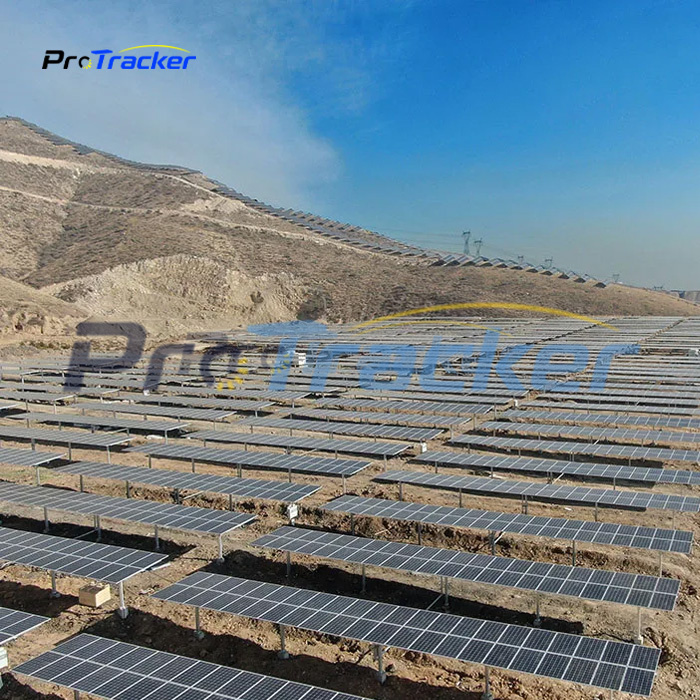
Fixed-tilt bracket keeps modules at an optimal angle for only a limited time each day—most of the morning and evening sunlight goes to waste. A reliable flat single-axis solar tracker, by contrast, keeps the modules at their best exposure angle from dawn to dusk—and that is precisely why trackers can deliver a significant, life cycle-long boost to power generation.
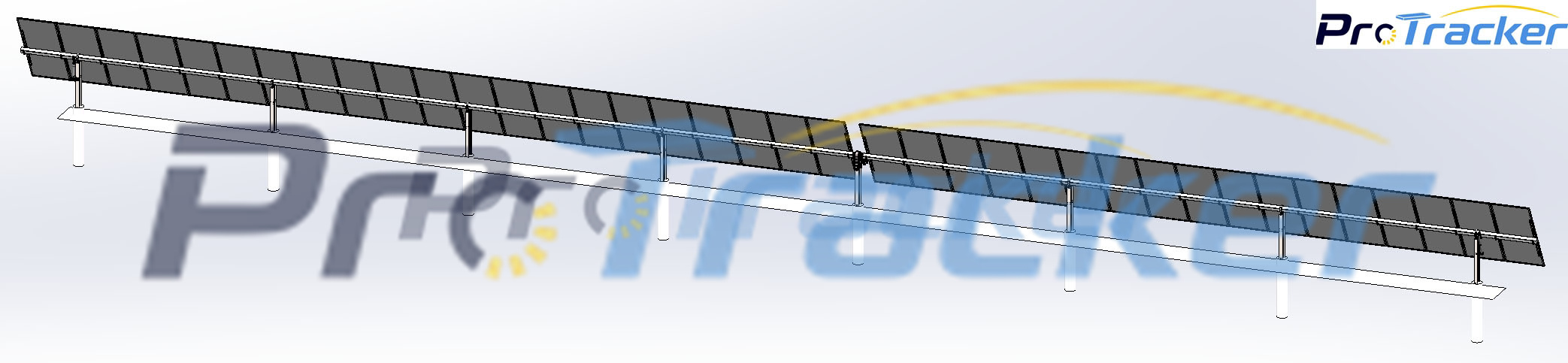
Take this 1×38 single -row vertical flat single-axis tracking system as an example. Its core value can be summed up in three words: robust, precise, and cost-effective.
Robust—A "Steel Skeleton" Built to Withstand the Wind


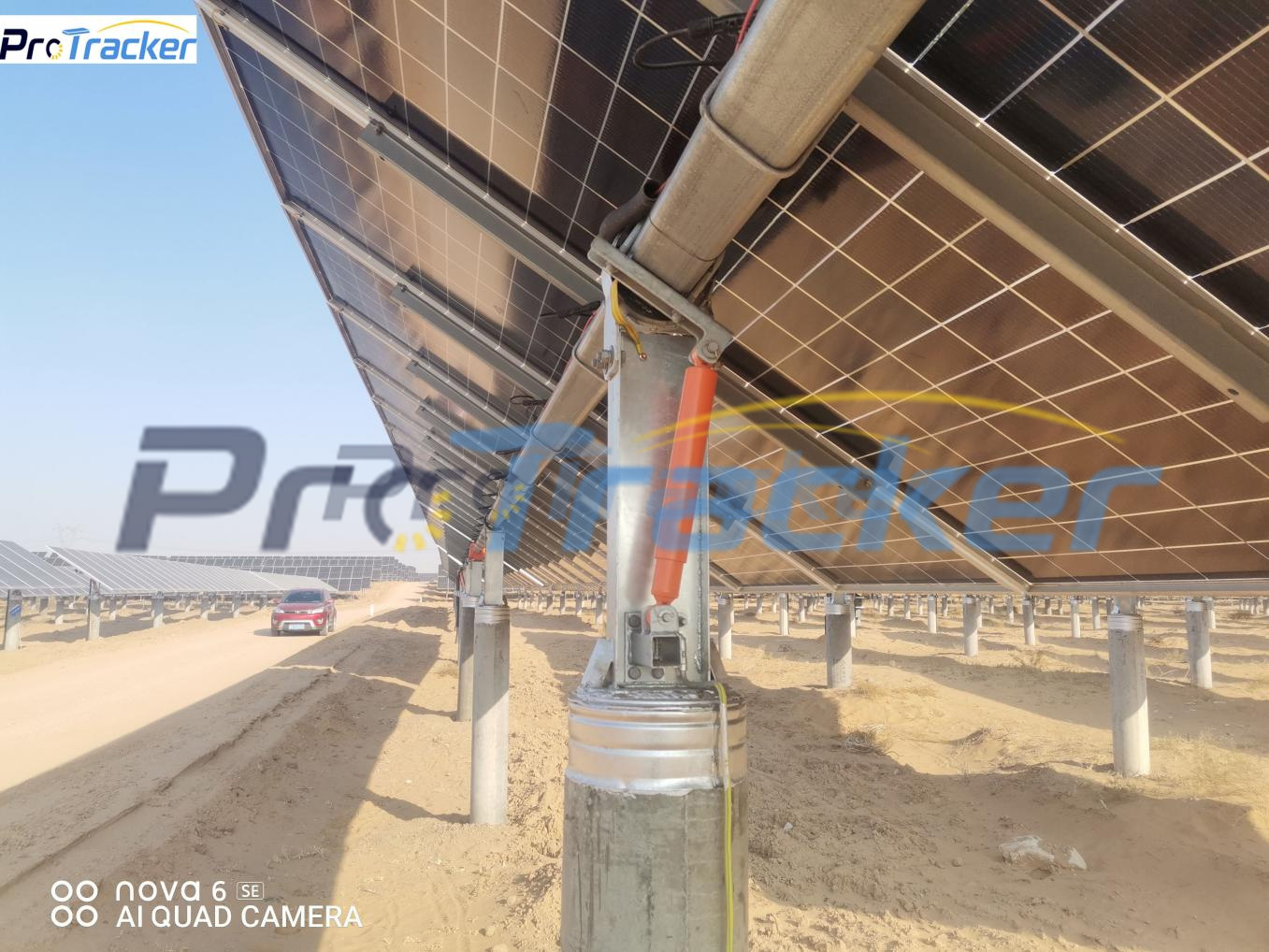
The backbone of any tracker lies in its structure. This system uses Q355B/Q460B high-strength H-beam steel for the main posts, S500GD+ZM galvanized-aluminum square tubes for the torque tubes, and S450GD+ZM high-strength profiles for the purlins. The entire structure is designed to withstand winds of up to 35 m/s (roughly Force 12) without yielding—every material grade and connection has been rigorously verified.
What's more, the system comes standard with dual hydraulic dampers that automatically cushion and damp vibrations in strong wind, protecting the drive mechanism and modules so the plant stays safe even in extreme weather.
Precise—"Sun-Tracking Accuracy" Down to the Last Degree
The difference in output often hides in the few degrees between the module and the sun's actual position. This system is equipped with a rotary reducer and a smart controller that automatically calculates the sun's trajectory based on latitude, longitude, time zone, and season for high-precision tracking. It also supports remote monitoring and string-level control, so operators can check the status of every row from anywhere.
Cost-Effective—Economical Across the Full Life cycle
• Less land: The 1×38 layout packs more capacity into the same area than fixed-tilt bracket;
• Faster installation: Ω-shaped purlins and prefabricated connectors mean no on-site welding—quick to assemble and quick to deploy, dramatically shortening construction time;
• Lower maintenance: Polymer sliders are self-lubricating and maintenance-free, while the high galvanize anti-corrosion coating handles coastal, high-humidity, and corrosive environments with ease.
More Than Racking—A "Multiplier" for Returns
A high-quality tracker essentially applies a "tech addition" to achieve a "return multiplication":
• Higher output: roughly 15%–40% more energy than fixed-tilt bracket (depending on the site's irradiance);
• Better land utilization: smaller footprint for the same installed capacity;
• Lower O&M costs: remote monitoring plus maintenance-free design reduces on-site inspection frequency.
Taken together, these translate into a real reduction in the plant's LCOE (Levelized Cost of Energy)—and that is the number investors truly care about.
Full-Chain Assurance from Factory to Project


This system supports full-container shipment. Whether exporting to Europe, the Middle East, or Asia-Pacific, we provide:
• Standardized sorting and packing of structural components—ready to use right out of the container;
• Complete technical drawings and installation guidance, so even local contractors can get up to speed quickly;
• Reliable drive systems and controllers, backed by a comprehensive warranty.
We understand that racking is the "skeleton" of a power plant and the foundation of its returns. Choosing the right tracker is like buying insurance for 25 years of generation revenue.

Let the tracker chase the sun for you—and turn every degree of electricity into profit.
If you're planning a new PV project, or want to know how trackers fit your region, feel free to reach out. We'll provide professional selection and yield-estimation support.
The generation-gain figures above are general reference ranges; actual returns depend on site-specific irradiance, terrain, and climate conditions.
Post time: Oct-13-2026